When an NHIA claim is rejected, most hospitals treat it like an argument to win. They prepare explanations, call a contact, or send additional documents. Sometimes the insurer eventually pays the claim. Sometimes they adjust it downward. Often, the process drags on until the hospital simply gives up.
However, claim rejection is rarely random. It is usually a symptom of repeatable weaknesses in your workflow. If you want to reduce rejections, stop asking “Why did they reject this claim?” and start asking “What pattern in our hospital keeps producing claims they cannot trust?”
By identifying the most frequent NHIA claim rejection causes, you can transition from reactive arguing to proactive prevention.
1. Documentation Mismatch
The most common pattern is documentation mismatch. A hospital bills for a service, but the clinical documentation does not support it clearly. This does not always mean the staff did not perform the service; it often means the hospital cannot prove it.
For example, a patient receives a bill for an injectable drug, but the nurse’s administration record is missing. The doctor’s note might mention “gave injection,” but the dose is unclear. When NHIA reviews this, it looks like inconsistency.
How an EMR Fixes It: An EMR creates a tight documentation chain. The digital prescription links directly to the dispensing record and the nursing administration log. This makes it nearly impossible to “bill without evidence” by mistake.
2. Inconsistent Service Item Naming
Many hospitals do not use standardized service catalogs. They allow staff to type anything into billing descriptions. One day it is “Full blood count,” the next day it is “FBC,” and later it is “CBC.” To an insurer’s automated review system, this looks like inconsistent billing.
How an EMR Fixes It: Structured EMRs force staff to select from a controlled service list. This aligns your descriptions with NHIA and HMO expectations, ensuring your NHIA claim rejection causes related to naming disappear.
3. Tariff Misapplication and Overbilling
Tariff errors include billing above agreed rates or billing a service outside the patient’s benefit package. While sometimes intentional, this usually happens because staff are not working from an updated tariff book.
How an EMR Fixes It: A configured EMR applies tariff rules automatically. It shows staff exactly what is billable under specific plans, preventing accidental overbilling patterns that trigger payer suspicion.
4. Bundled vs. Unbundled Billing Issues
Hospitals often bill a procedure and its individual components separately, even when the NHIA expects a single bundled price. Repeated mistakes here damage your reputation with payers.
How an EMR Fixes It: Systems can be set up with “billing logic.” When a primary procedure is selected, the EMR either bundles the components automatically or prompts the user that the item is typically bundled. This prevents avoidable adjustments and disputes.
5. Missing or Unclear Diagnosis Linkage
Many claims fail because the billed services do not clearly connect to a diagnosis. This is common in paper notes where a diagnosis is vague or missing entirely. It also happens when billing staff cannot interpret a clinician’s handwriting.
How an EMR Fixes It: EMRs enforce a minimum standard for clinical data. You cannot complete an encounter without entering a diagnosis, and you cannot bill services without a related diagnosis record. This aligns with World Health Organization (WHO) frameworks for structured health data.
6. Delayed Submission and Incomplete Claim Packs
Hospitals that compile claims manually often miss attachments or submit late. Late submissions increase queries and prolong your payment cycles.
How an EMR Fixes It: An EMR turns claim compilation into an automated system output. Because clinical notes, results, and logs already live in the digital record, the system generates consistent claim packs instantly.
7. Verification Failure During Audits
Sometimes the hospital does the work and bills correctly but fails a spot check because they cannot retrieve evidence quickly. Files go missing, pages are torn, or folders are carried home by patients.
How an EMR Fixes It: In a digital system, evidence is not a physical object that can vanish. Authorized staff can retrieve a complete, time-stamped digital record immediately during any audit or verification visit.
Actionable Steps for Hospital Leadership
Hospital leaders must treat claim rejection as a vital quality metric. You should track your rejection rate by both value and count. Once you identify your top three NHIA claim rejection causes, you can fix the workflow at the source.
Hospitals that successfully reduce rejection rates do not do it by arguing more. They do it by tightening the chain: Documentation → Billing → Claim Pack → Verification Readiness.
If you want help identifying your hospital’s specific rejection patterns, email info@momentumhealthcare.org. A short claims review of your last two months’ outcomes can reveal exactly what needs to change in your workflow or EMR configuration.
Other Blog Posts…
- What Makes an NHIA-Compliant EMR in Nigeria?
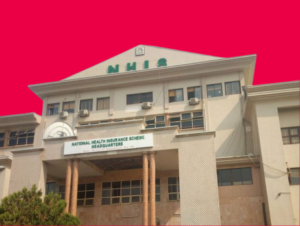 For many Nigerian hospitals, National Health Insurance Authority (NHIA) compliance only becomes a serious conversation when claims start getting rejected, delayed, or queried repeatedly. At that… Read more: What Makes an NHIA-Compliant EMR in Nigeria?
 - What Hospitals Must Do When Patient Data Is Exposed
 Most Nigerian hospitals assume data breaches are dramatic events that happen only to banks, telecom companies, or big tech firms. In reality, hospital data exposure is… Read more: What Hospitals Must Do When Patient Data Is Exposed